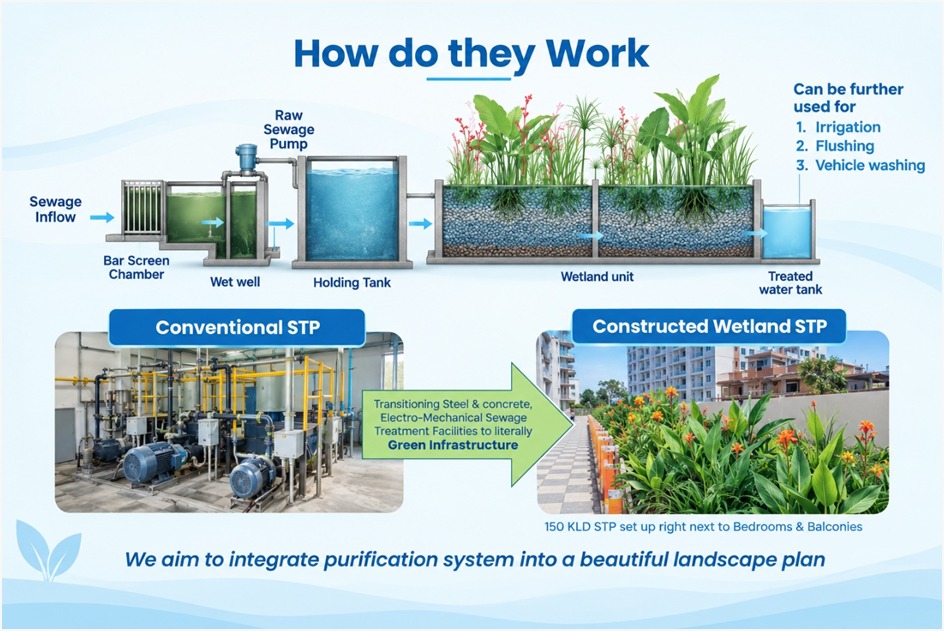
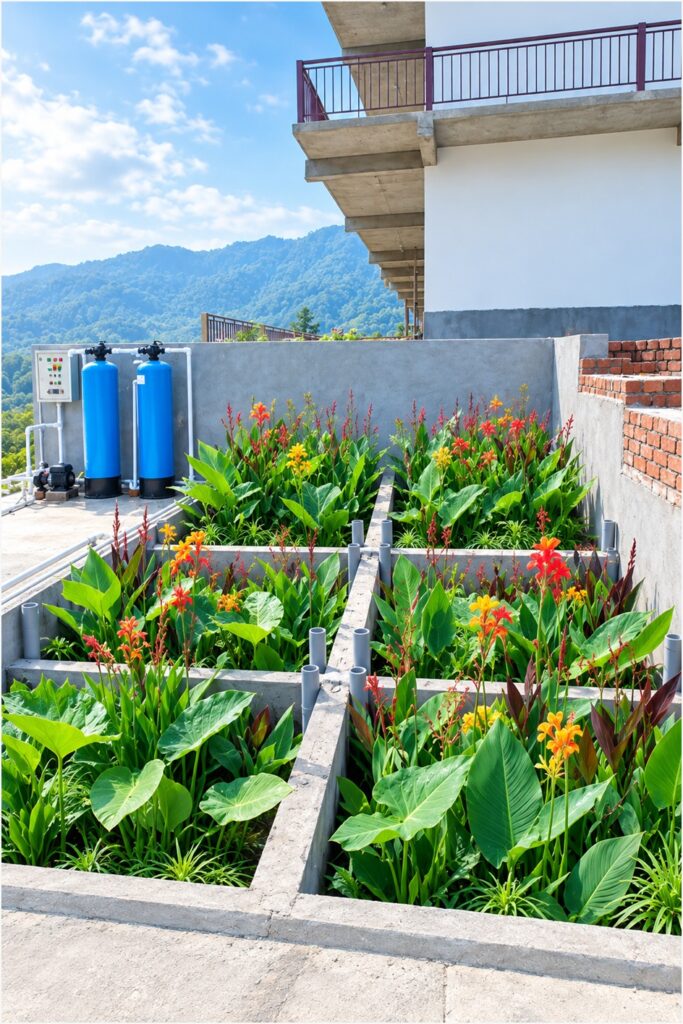
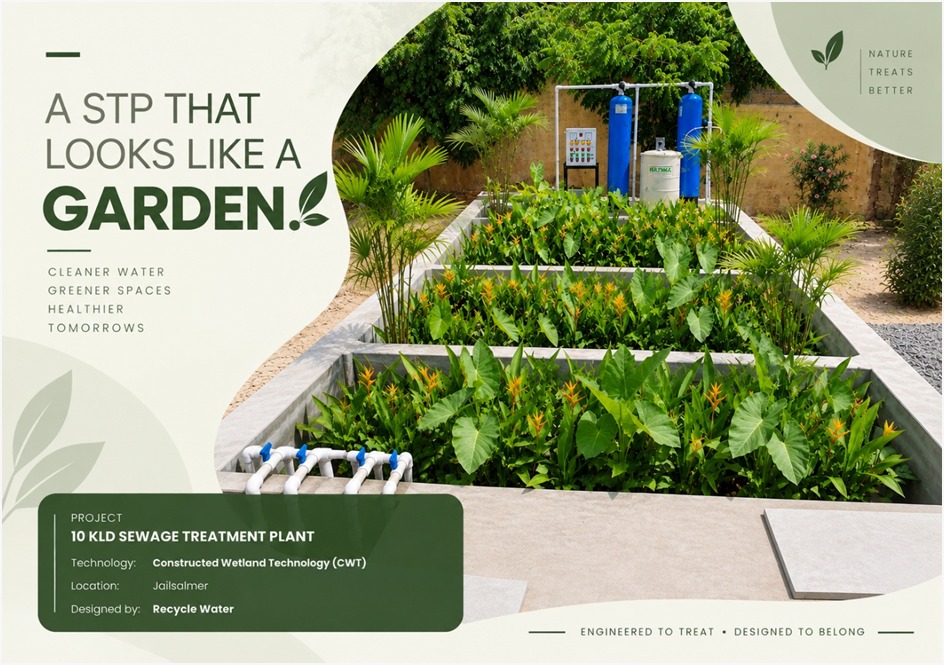
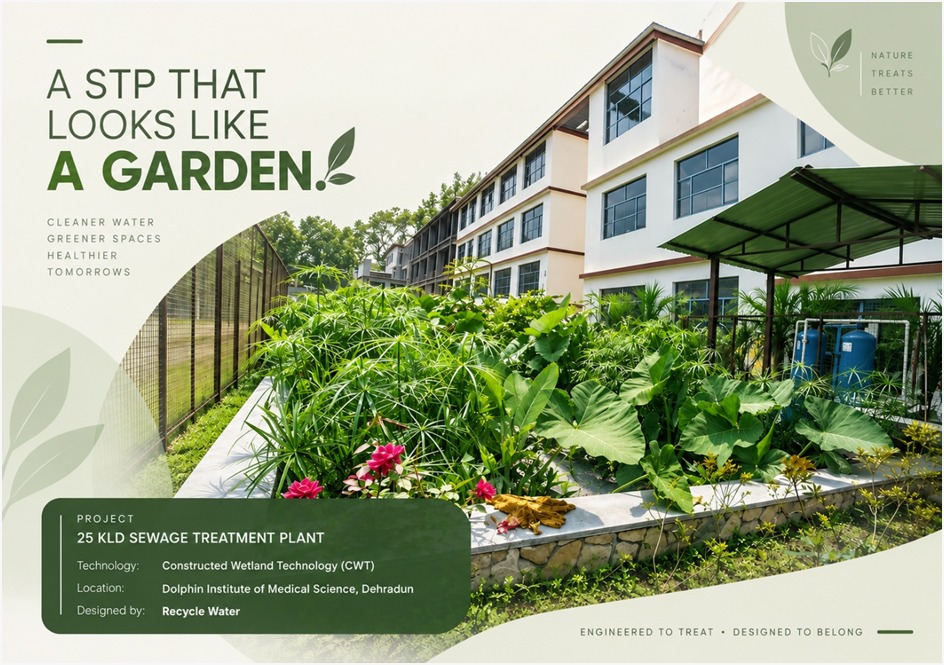
Wastewater passes through a specially designed bed containing selected filter media and wetland plants. As the wastewater moves through the system, physical filtration, microbial activity, plant–microbe interactions, adsorption, and other natural treatment processes work together to remove organic matter, suspended solids, nutrients, and other pollutants.
The filter media provides a surface for the growth of beneficial microorganisms. These microorganisms play an important role in the biological degradation of organic pollutants, while the wetland plants support the treatment environment through their root systems.
The continuous interaction between wastewater, filter media, microorganisms, and macrophytes enhances the overall treatment performance of the system.
Constructed Wetlands are flexible systems and can be customized according to wastewater characteristics, flow, treatment objectives, available space, and site conditions. They can be designed as primary, secondary, tertiary, polishing, or hybrid treatment systems, depending on the application.
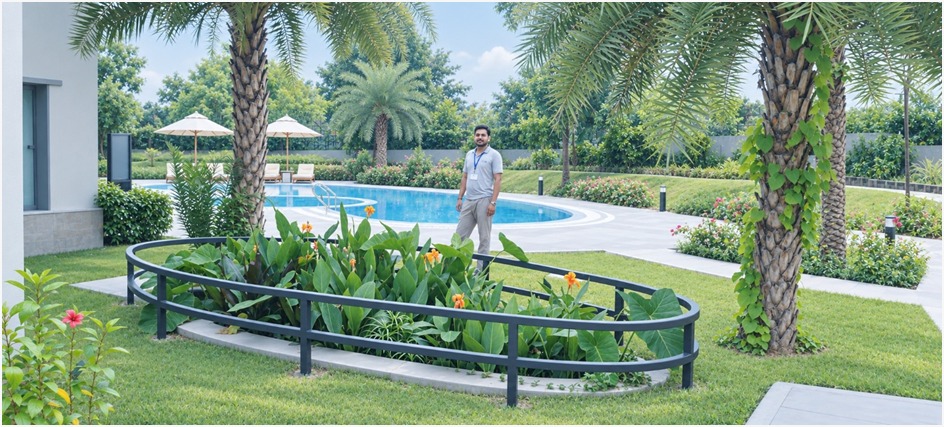
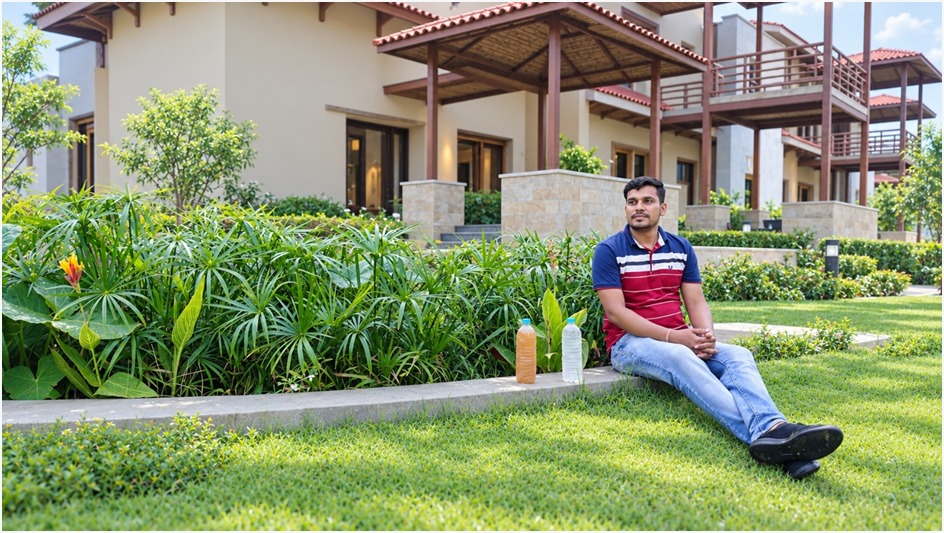
The use of selected macrophytes also provides an aesthetically attractive and environmentally friendly treatment landscape, allowing the wastewater treatment facility to be integrated into gardens, campuses, resorts, housing societies, institutions, and other developments.